Agriculture

Know where every litre, hectare and euro goes.

Large farms lose money in places that are hard to see from the office: fuel, overlapping passes, fields that are smaller than the lease says, and inputs applied where they don't pay back. We set up and connect the systems that make those losses visible, starting with Cropwise Operations and machinery telemetry.

Discuss your operation

Who we work with

  • Agro-holdings and large arable farms
  • Farm and operations managers
  • Agricultural investors and lenders
  • Machinery and input service providers
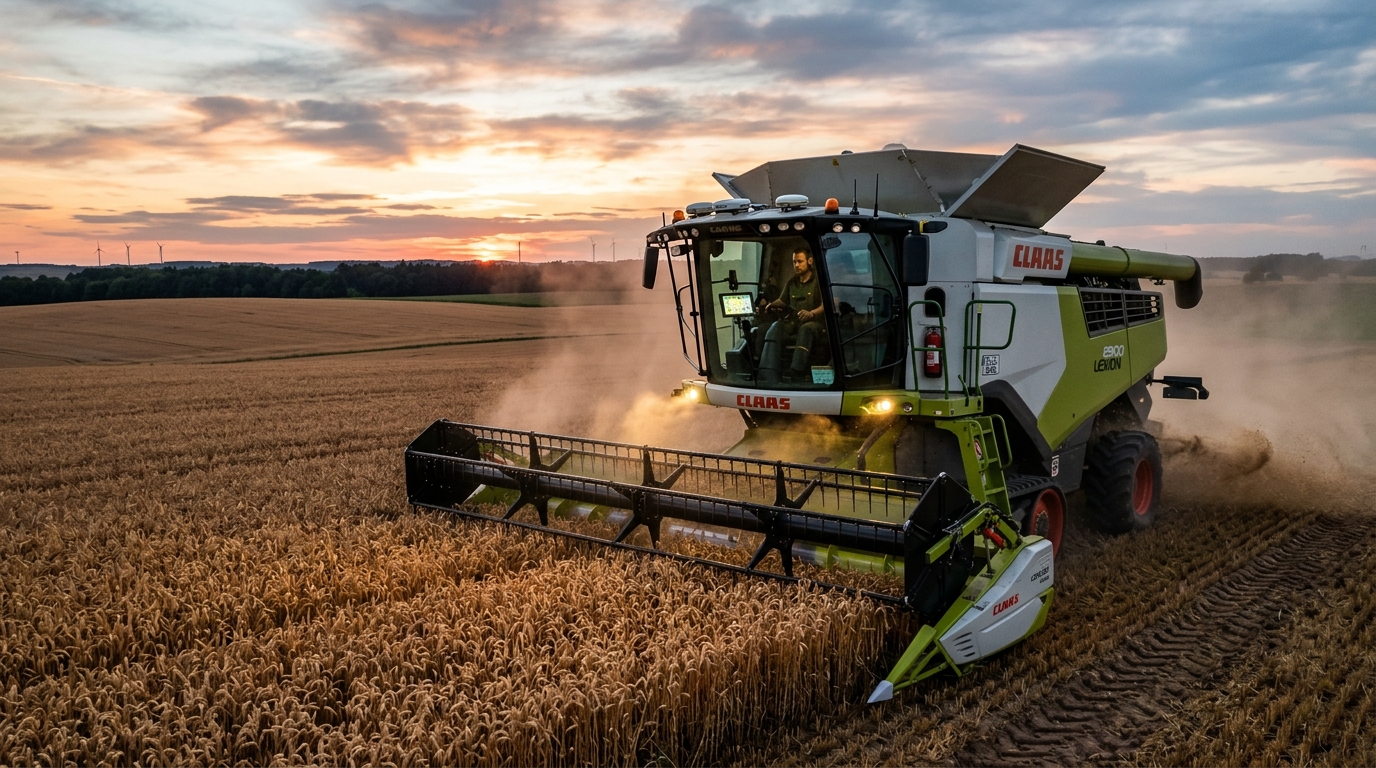
Modern CLAAS Lexion combine harvester harvesting wheat at dusk with GNSS receiver and telemetry hardware
Field Telemetry in Operation Mixed-fleet CAN-bus data collection (SAE J1939 / ISOBUS), fuel consumption cross-validation against flow meters, and real-time yield telemetry integrated directly into Cropwise Operations.
Common problems

What agribusinesses bring to us

If one of these sounds familiar, the answer below is where we would start.

Fuel

“We suspect fuel losses, but we can't prove where they happen.”

Fuel is usually the largest variable cost after inputs, and losses hide in several places: theft from tanks, unrecorded refuelling, long idling, and inefficient routes between fields. Proving them takes three data sets that agree with each other: fuel issued from the depot, fuel in the tank, and fuel burned by the engine.

Capacitive fuel level sensors and CAN-bus readers on each machine, matched against depot records and work done per hectare, show exactly where litres disappear.

What we do

  • Specify sensors and trackers for each machine type
  • Reconcile depot, tank and engine data automatically
  • Set up alerts for drains, unauthorised refuelling and excessive idling
Software

“We bought Cropwise Operations, but the team doesn't trust the data.”

Cropwise Operations is a capable system, but it only reflects what is fed into it. Distrust usually comes from a few fixable causes: field boundaries drawn roughly, machines not linked to implements, work orders entered late or not at all, and no connection to warehouse or accounting.

Once those are fixed and the agronomists see their own work reflected correctly, adoption follows.

What we do

  • Audit the current setup: fields, machines, implements, users and processes
  • Connect Cropwise to weighbridges, warehouses and the accounting system
  • Train agronomists, dispatchers and managers on their part of the process
Land

“Our field areas don't match the leases and the cadastre.”

Discrepancies between the area farmed, the area leased and the area registered are common, especially after years of land consolidation. Each one has a cost: rent paid for land you can't farm, subsidy claims based on the wrong area, or inputs planned for hectares that don't exist.

An RTK-GNSS boundary survey compared against lease records and cadastral data shows every discrepancy, with a map and a value attached.

What we do

  • Survey or verify field boundaries with RTK accuracy
  • Compare against lease, cadastre and subsidy records
  • Deliver a land bank register in GIS for operations and due diligence
Machinery

“We run John Deere, CLAAS and older machines, and see them in three different portals.”

Manufacturer portals work well for their own brand and poorly for anyone else's. A mixed fleet needs one data model: the same definition of engine hours, fuel, worked area and implement width, whichever machine it comes from.

That usually means aftermarket CAN-bus trackers on some machines, API connections to manufacturer portals for others, and a single place where it all lands.

What we do

  • Map which data each machine can provide and how
  • Choose trackers and integrations for a consistent data set
  • Validate worked area and implement width against field records
Finance

“We don't know our real cost per hectare by field.”

Most farms know costs by crop or by year, but not by field. Field-level cost needs fuel, seed, fertiliser, crop protection and labour allocated from actual operations rather than from the plan.

With operations, telemetry and accounting connected, every field gets a ledger of what was done, what it cost and what it yielded. That changes decisions on rents, rotations and which fields to give up.

What we do

  • Define cost allocation rules with your finance team
  • Connect operational records to accounting
  • Build per-field profitability reports for management and investors
Reference

Where machinery data comes from

No single source gives the full picture. Most fleets need a combination.

Manufacturer portalGPS trackerCAN-bus readerFuel level sensor
What you getRich data for that brand: engine, implement, yieldPosition, speed, worked area, routesEngine hours, fuel consumption, RPM, load (J1939)Tank level, refuelling and drain events
Mixed fleetsOne brand per portalAny machineMost modern machinesAny machine with a tank
Fuel theft detectionLimitedNoPartial (consumption only)Yes
IntegrationManufacturer API, where offeredStandard in Cropwise and most platformsVia trackerVia tracker
Example engagement

What working with us typically looks like

FAQ

Agricultural telematics questions

What is Cropwise Operations?

Cropwise Operations, formerly Cropio, is Syngenta's farm management software. It combines satellite crop monitoring (NDVI), field records, crop rotation history, machinery GPS tracking, work orders and warehouse accounting. It is used mostly by large farms and agro-holdings managing thousands of hectares.

Can we use telematics on machinery from different manufacturers?

Yes. Aftermarket trackers that read the CAN bus (SAE J1939 on most modern tractors and combines), plus fuel level sensors where engine data is unavailable, give a consistent data set across John Deere, CLAAS, New Holland, Case IH and older machines. Manufacturer portals can be connected through their APIs where available.

How long does a Cropwise Operations rollout take?

Setting up fields and users takes a few weeks. A full rollout with machinery trackers, fuel sensors, warehouse and accounting integration usually runs through one season, because processes and data checks have to be proven during real field work before management relies on the numbers.

Preparing for the next season?

The best time to fix fuel control and field data is before the spring campaign. Tell us about your fleet and hectares.

Book a free call Reply within two business days